The Art of Retreating
False Cape Artist’s Retreat
Lately I’ve found myself in a space of wanting to continually land in intentional containers. HA. What do those words even mean? Intentional? Containers? They’re so overused and oversaturated that I don’t even like using them. I’ll do my best to paint a picture of what an intentional container looks like to me…
******
You roll down the windows to take in the salt air as your car slows to a creeping crawl, filled to the brim with guitars, art supplies, coolers, meditation pillows and blankets, bed sheets, and cameras. The air is cold and brisk — a chilly 45 degrees, but the wind makes it feel like 20. As you turn into the sprawling lot, you see only two other cars parked there, knowing these two cars also hold piles and piles of art supplies and other creative gadgets — computer monitors and hard drives, boxes of clay and watercolors, books and journals. These seven women are the women you pulled together to enter into a container with for the next five days. The park ranger pulls up just in the nick of time — everything is going according to schedule so far. Everyone hugs and squeals. Some know each other more than others, but there’s already a sense of familiarity, each woman knowing that she signed up to be here, fully present, for five days of solitude in nature during the depths of winter.
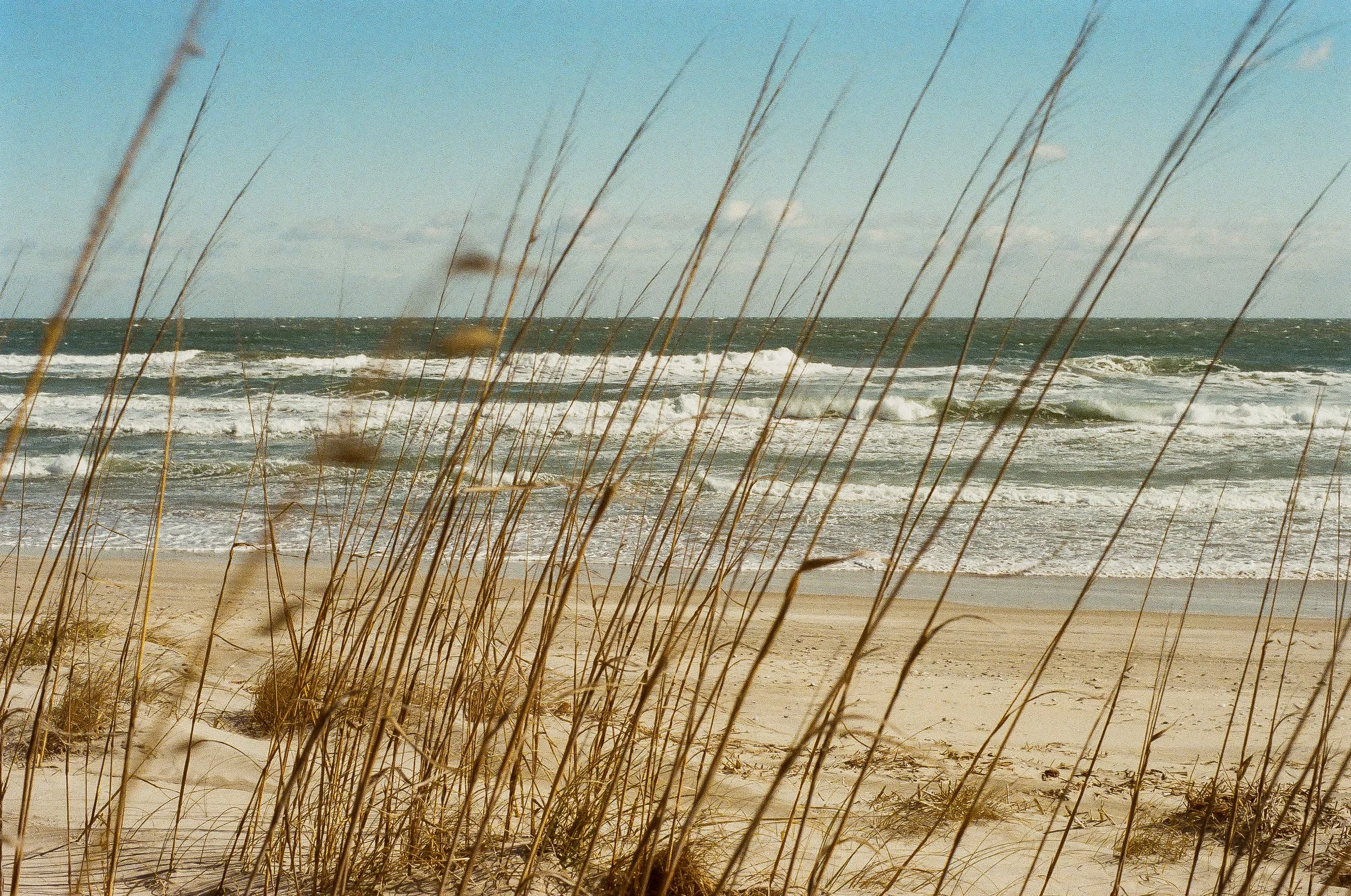
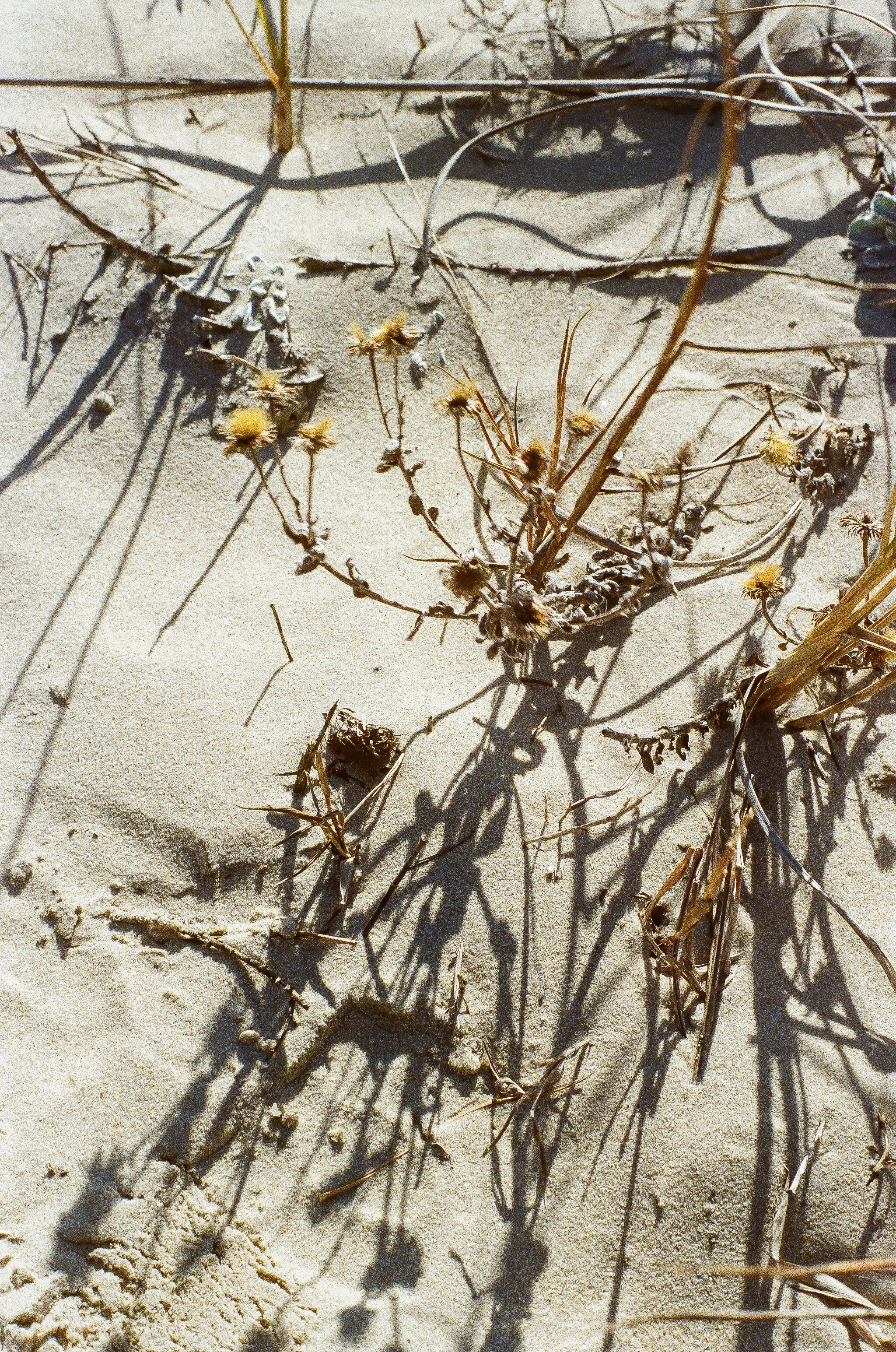
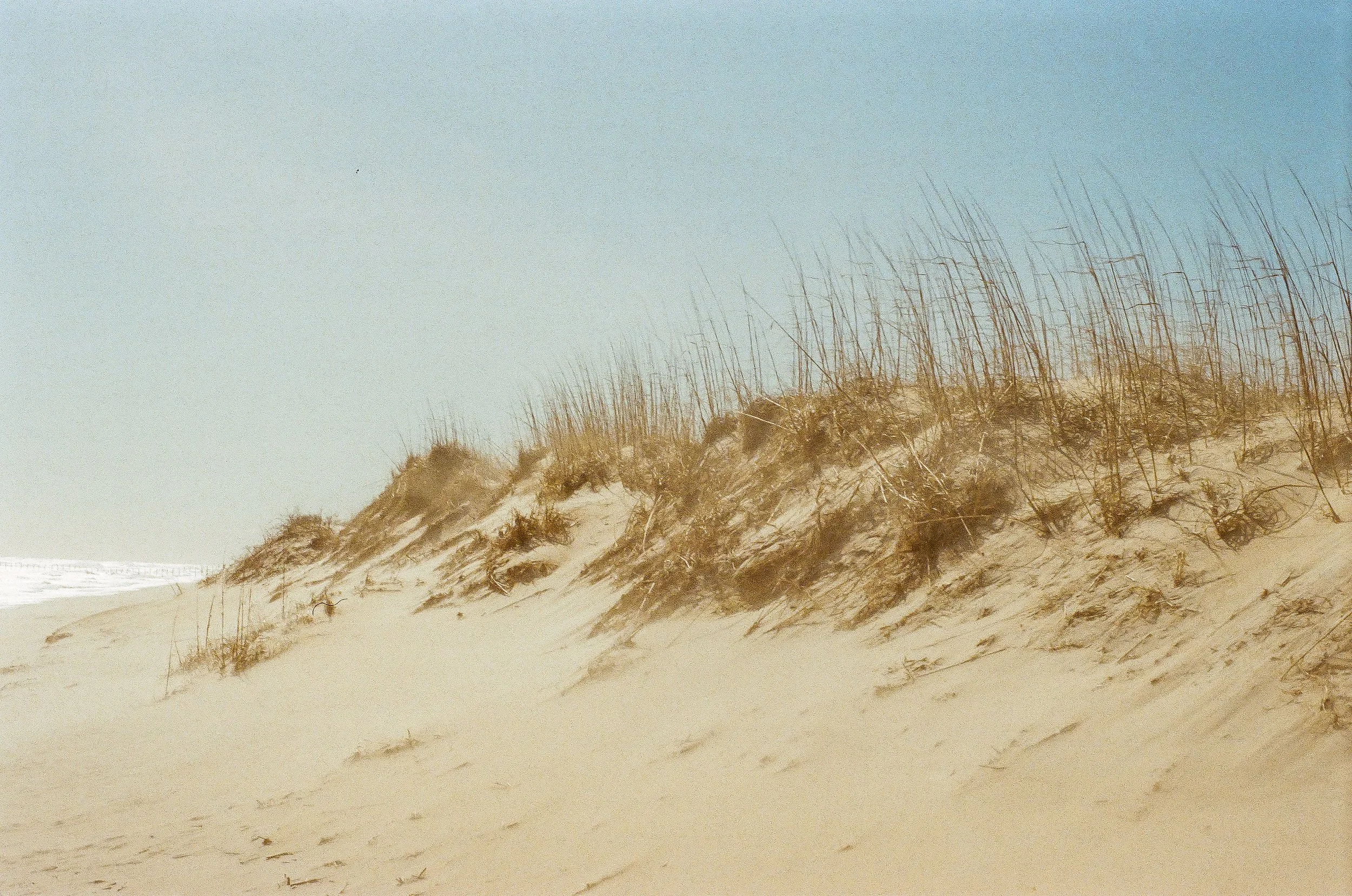
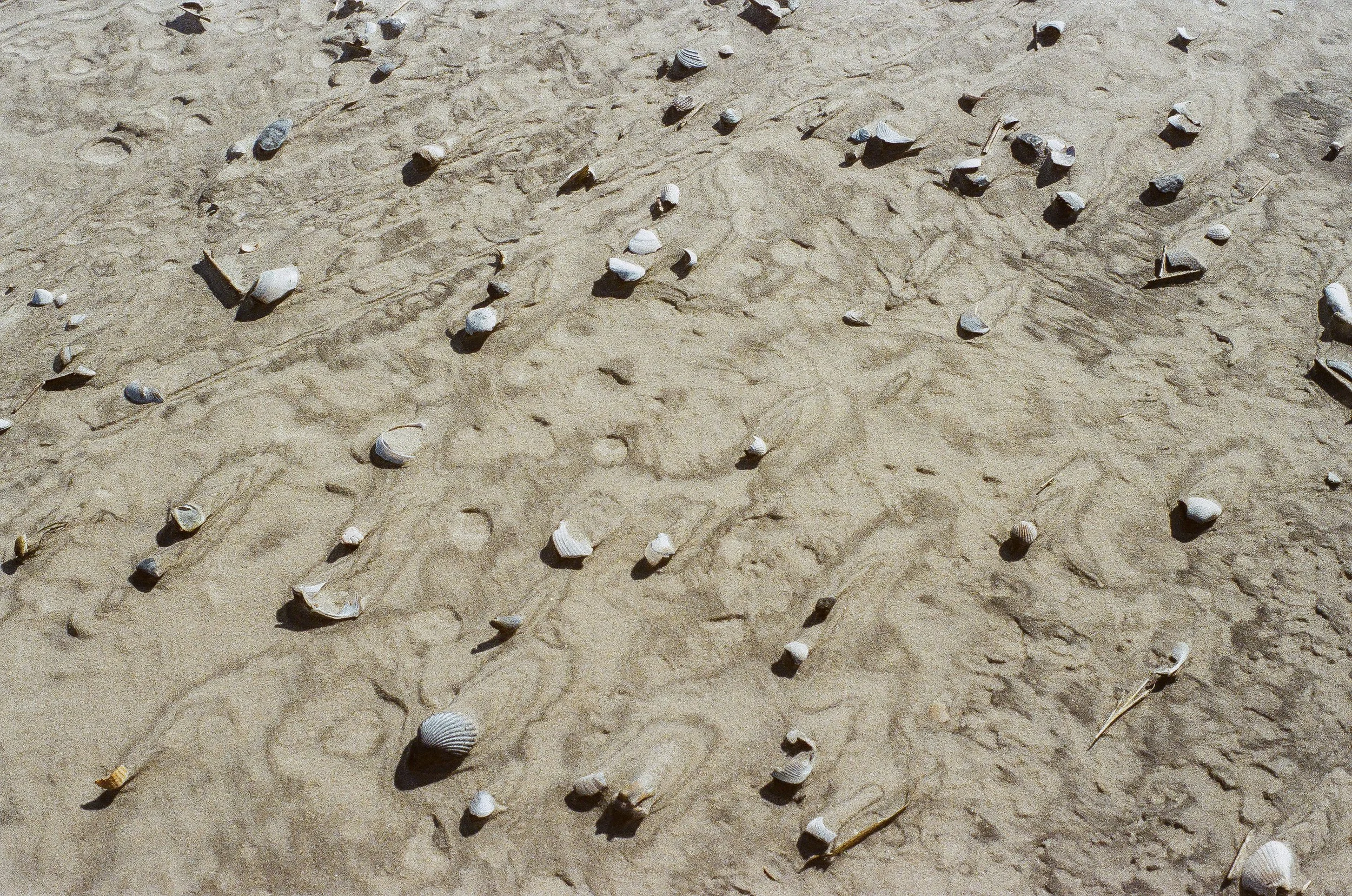
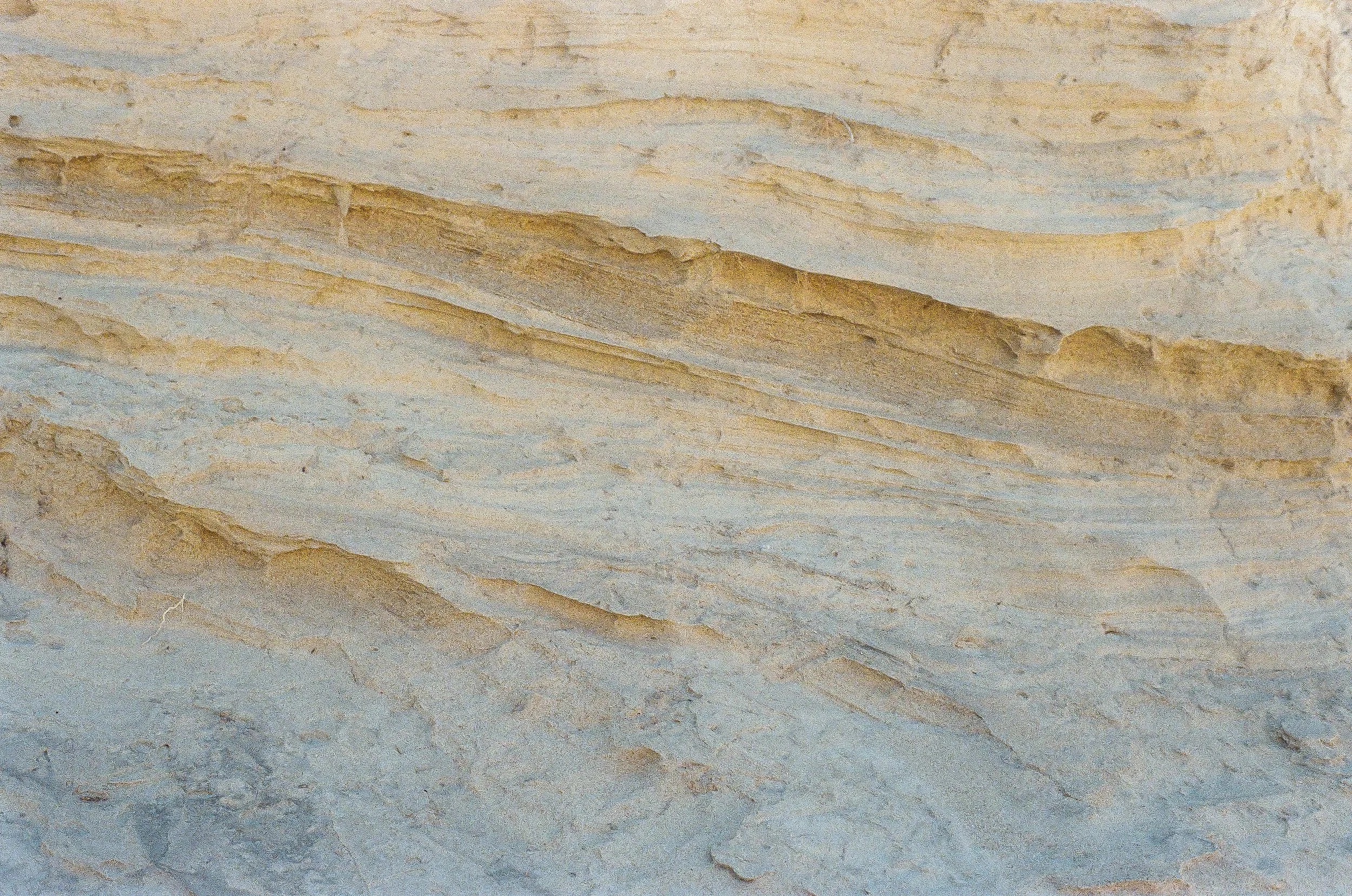
You are at False Cape State Park, where you’ll leave your car and all wifi signals behind, pack up your gear into the back of a trailer, and head into the park system for an extended weekend getaway. False Cape is a hidden gem, one that I’ve even been hesitant to share the name of on social media. It is the protected coastline between Virginia Beach and the Outer Banks — beaches I grew up going to my whole life, but never once stopped to think: what would this land look like if humans hadn’t destroyed it?
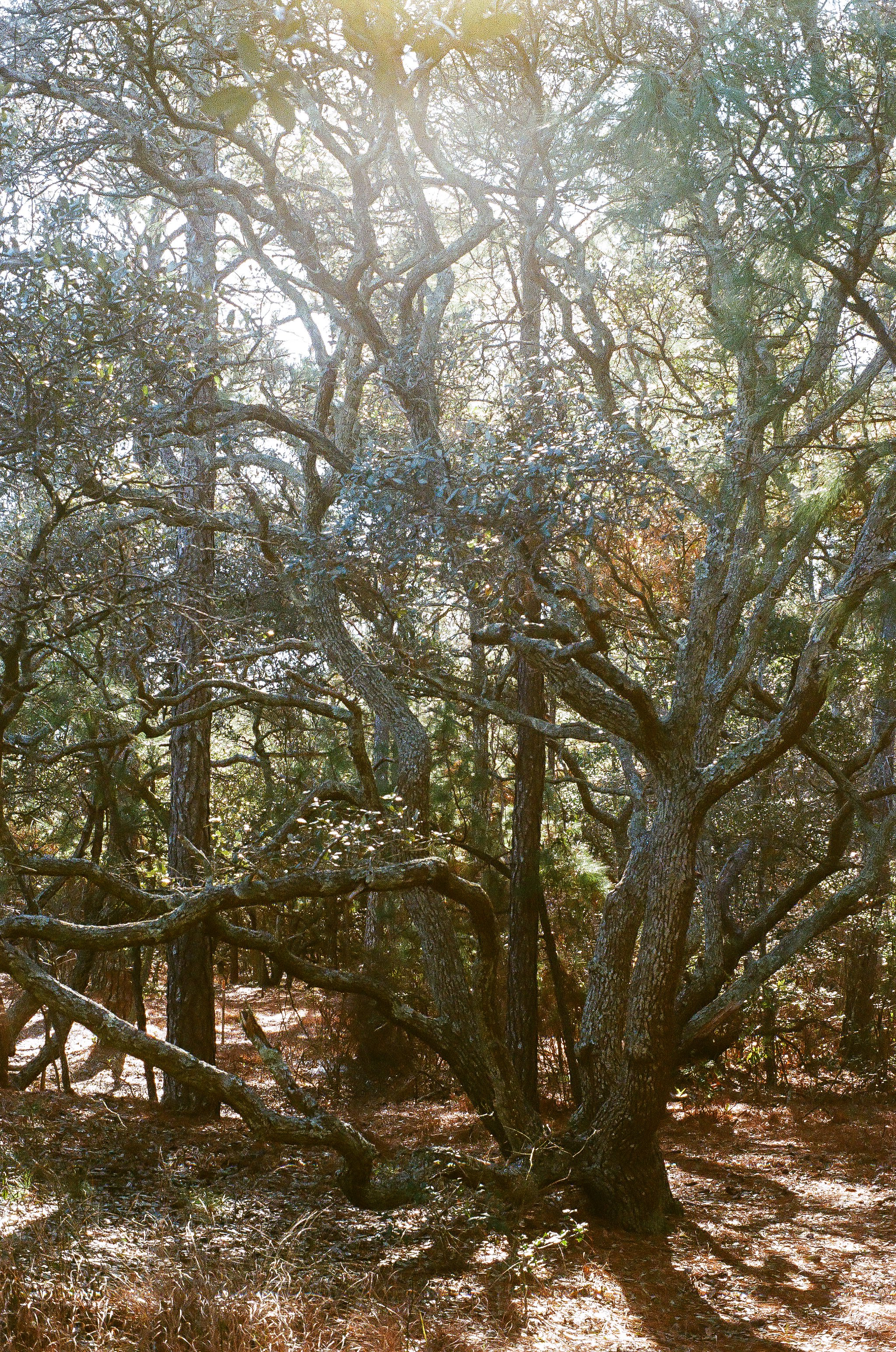
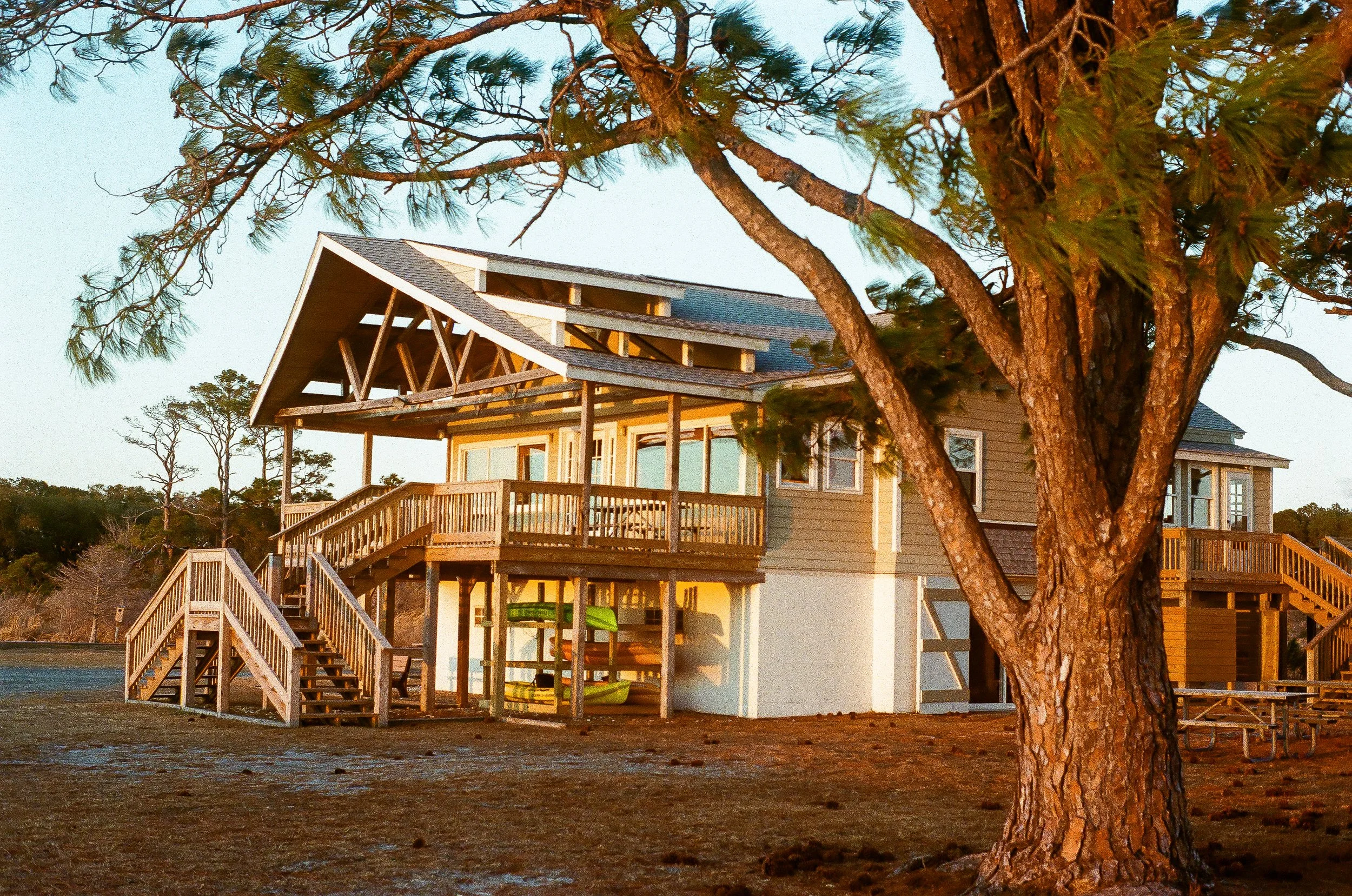
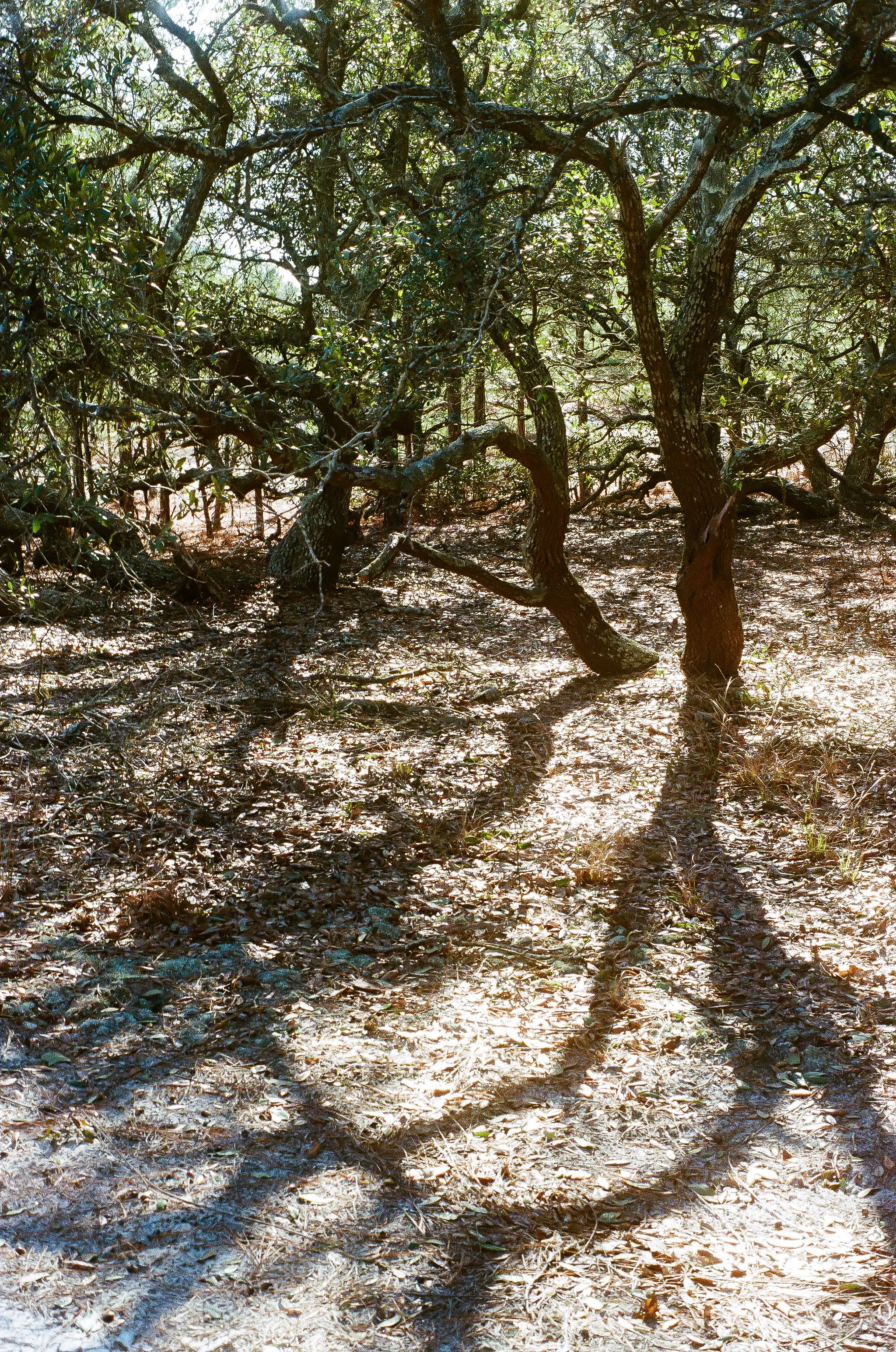
As you meander into the park system with Ranger John driving, a gaggle of girls in the van, and all your gear pulled behind you on a trailer, you start to take in the majestic scenery. This is a no-cars park, plus the bike roads in are closed due to weather, so you have the sudden realization that you will literally be the only ones in this nearly 7-square-mile park, aside from the resident rangers. This thrills you. The road gets smaller and smaller, making way to groves of live oaks, meandering trails of sand dunes, and water on either side. You pull up to your home for the next five days — an old hunting lodge turned education center turned guest lodge belonging to the park system.
After you unload all the gear, you all decide to walk to the beach to catch the sunset. The group is already starting to bond, knowing you are alone with each other, and that every other person signed up for an intentional experience of solitude, creativity, and union with nature in the dead of winter. The wind is howling on the beach — laughable. But your energy is high. Nature has a way of doing that to you. Energy is picking up with the group too. People are frolicking, dancing, and hand-standing around you. You decide to break out into a full sprint. The sand is hard and strong. You’re not wearing your running shoes, but it doesn’t matter. You’ve been so confined indoors for so long, your body does what it intuitively wants to do with this open space. Others begin to follow suit. You know your quads will be sore tomorrow, and you feel alive. Perhaps the most alive you’ve felt all winter.
Later, around the dinner table, each person shares what she is planning to work on this weekend. A more complete group couldn’t have been created if you tried. People have dropped out and dropped in, and you know in your heart that everyone is meant to be exactly where they are. You already recognize that the current energy wouldn’t be the same without a single one of these women there.
For the next four days, you drop in HARD. There is a loose schedule, keeping things structured yet flowy. Each person makes one breakfast or dinner. Everyone is on their own for lunches, because they fall during flow hours. From roughly 10–5pm, everyone is mostly silent, working on their projects. One woman is gone for eight hours of the day, and you find out later she strained her calf muscle from dancing on the beach. Others are hard at work on documentaries, writing manuals, meditating, recording music, and hand-building with clay. Seeing other women in their creation zone inspires you in a way you didn’t know you had in you.
With all this solo time to think, write, and listen, the synchronicities begin to add up. You just finished The Artist’s Way last year, and you decide to read the notes at the end of the book, which you had skipped before. Unbeknownst to you, the book is offering the framework for bringing people together to practice the principles of The Artist’s Way. You feel like laughing or singing because this is so unbelievable to you — this is literally what you have created!
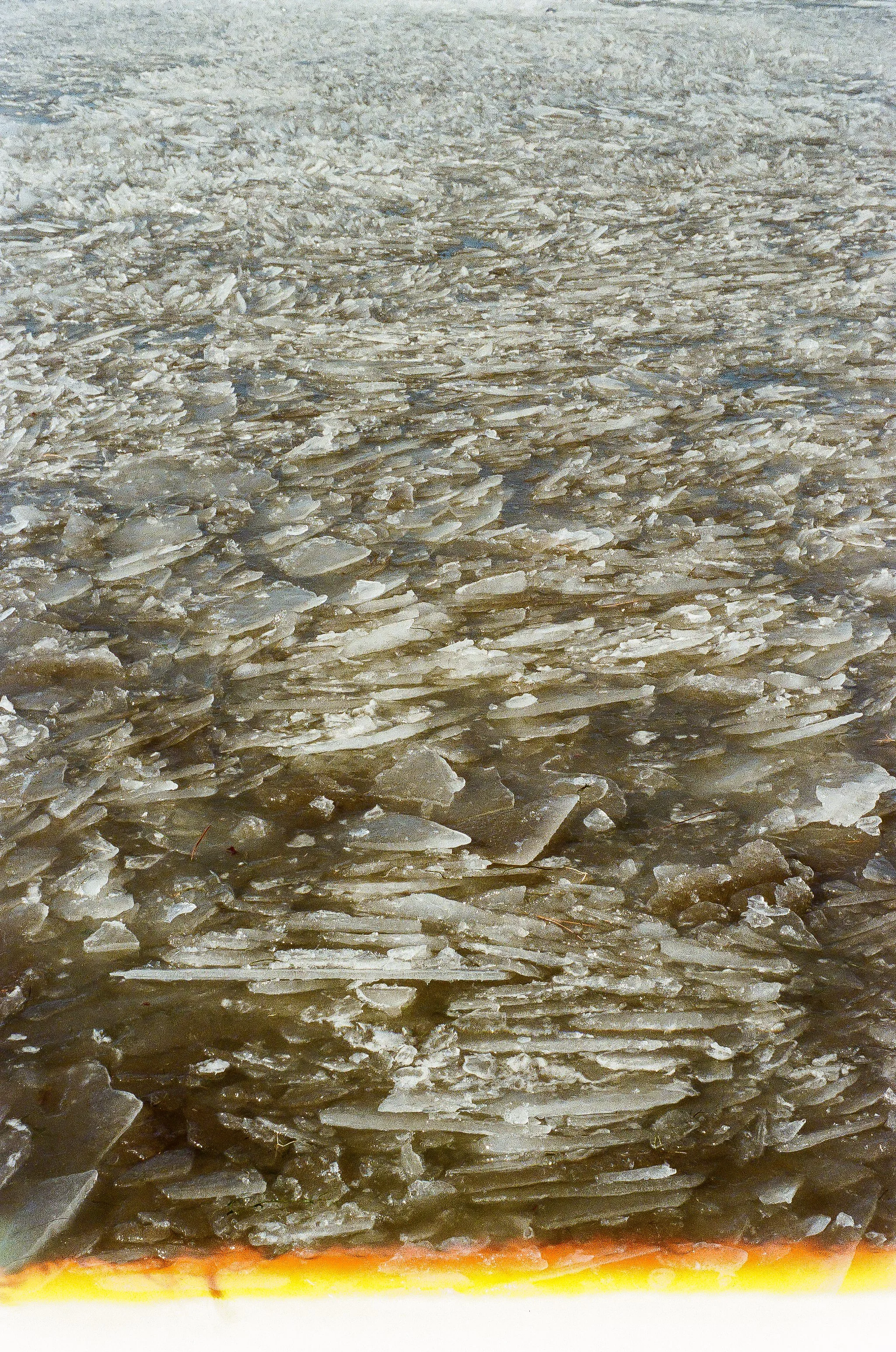
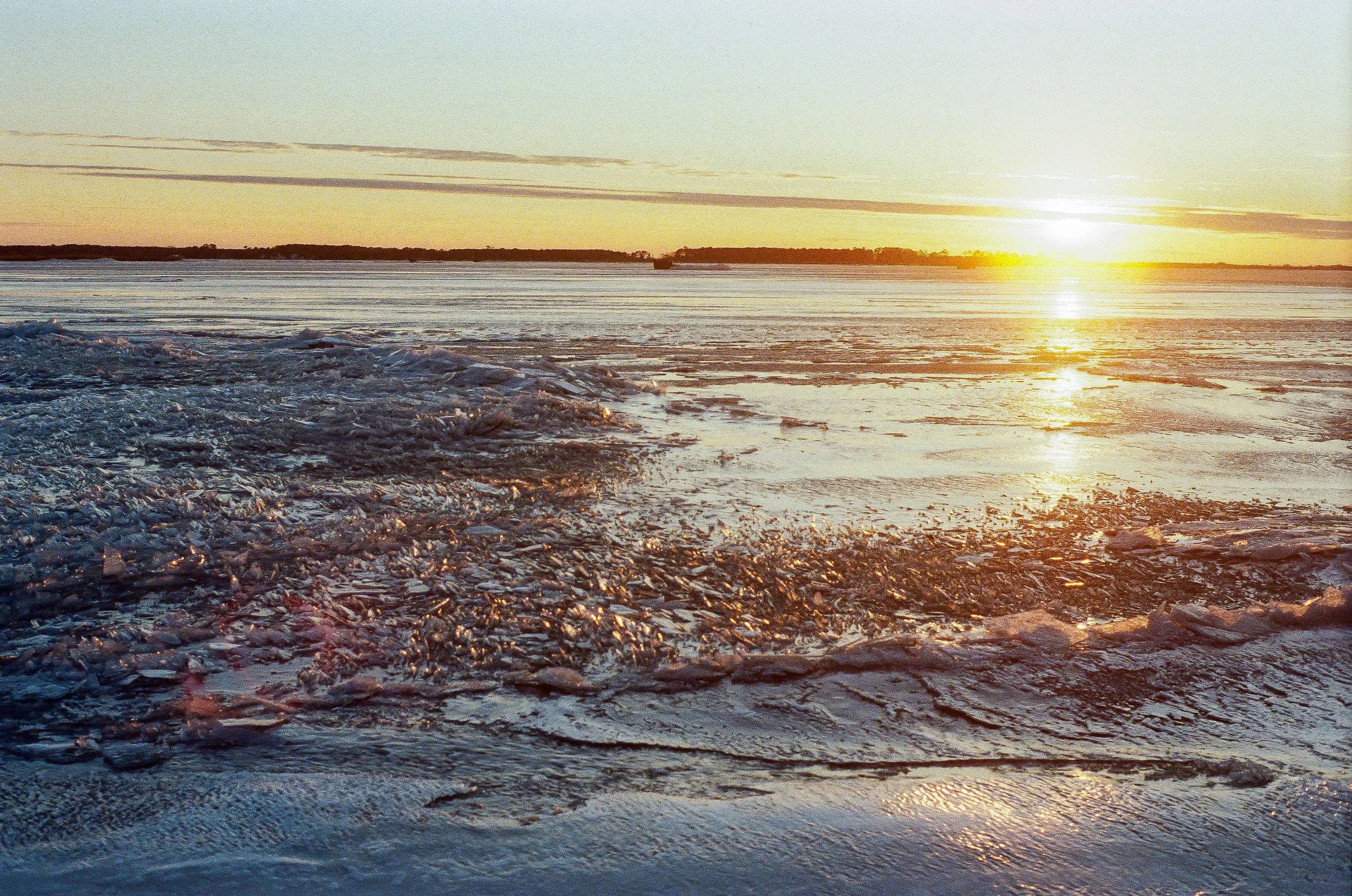
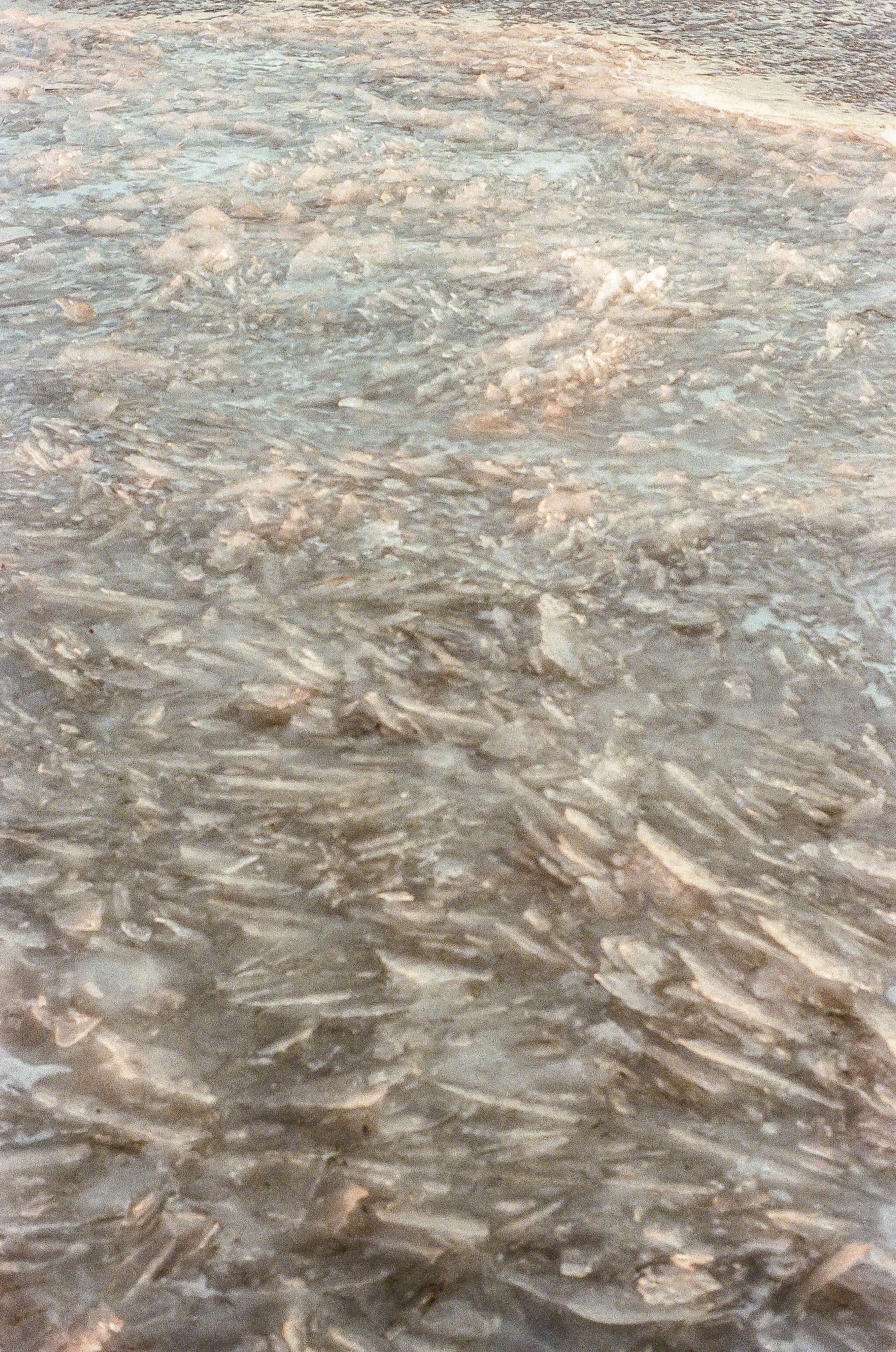
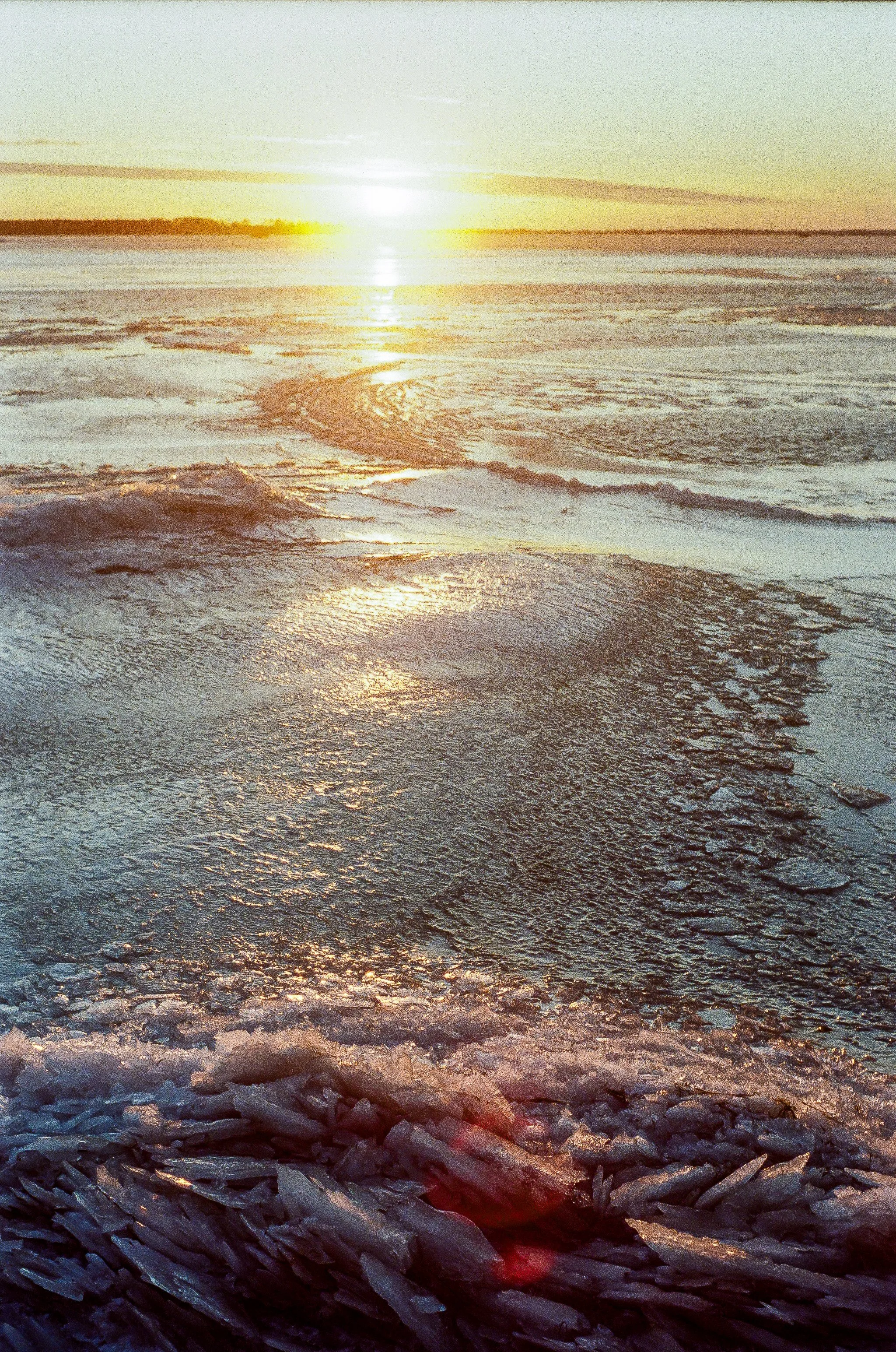
You watch the bay slowly freeze over across the course of five days. Sheets of ice begin forming along the shoreline first, eventually stretching outward into the water like scattered shards of glass. Each evening, the sunset cuts across the frozen surface in a different way, casting golds, blues, and silvers across the ice that you didn’t even know were in nature’s palette. A wind and ice storm blows through so intense that the heat in the lodge starts to give out, forcing everyone to cozy closer to the space heater under blankets and layers. You witness nature in all its beauty and brutality — even watching a baby bird slowly succumb to the cold, a quiet reminder of the life cycles unfolding billions of times over, again and again, across the planet.
After a lot of solo time, the trip ends on the last night with middle school sillies. You all watch the Bad Bunny Super Bowl halftime show (talk about a work of art), practice “how to” twerking videos on YouTube, and spend hours learning a choreographed dance. No one is leading the experience. No one is sitting out in their room. Everyone is participating, giggling, getting frustrated over a certain move they can’t learn, and then feeling exhilarated when they figure it out. This is what an intentional container looks like.
Over the years, I have explored themes of leadership, outdoor exploration, backcountry exploration, and creative wellness. I have led retreats in the double digits and founded my own nonprofit. And I find myself consistently coming back to this type of experience. “Retreat” to me doesn’t mean a luxury villa in a developing country. It doesn’t mean business coaching or plant medicine ceremonies. There’s nothing wrong with any of that, but that’s not what I’m seeking. I want to strip down all identities — job, career, relationship status, financial status — and come back to who we are at our cores: artists painting the canvas of our lives, waking up every day with a choice to be exactly who, where, and what we want to be.
(photos are 35mm film taken by Preston)